About the Passenger Aircraft Cabin Recovery Group
The Passenger Aircraft Cabin Recovery Group is committed to enhancing air travel by providing innovative safety solutions that prioritize the welfare of passengers and crew.
Roy H Taylor
CEO & Founder
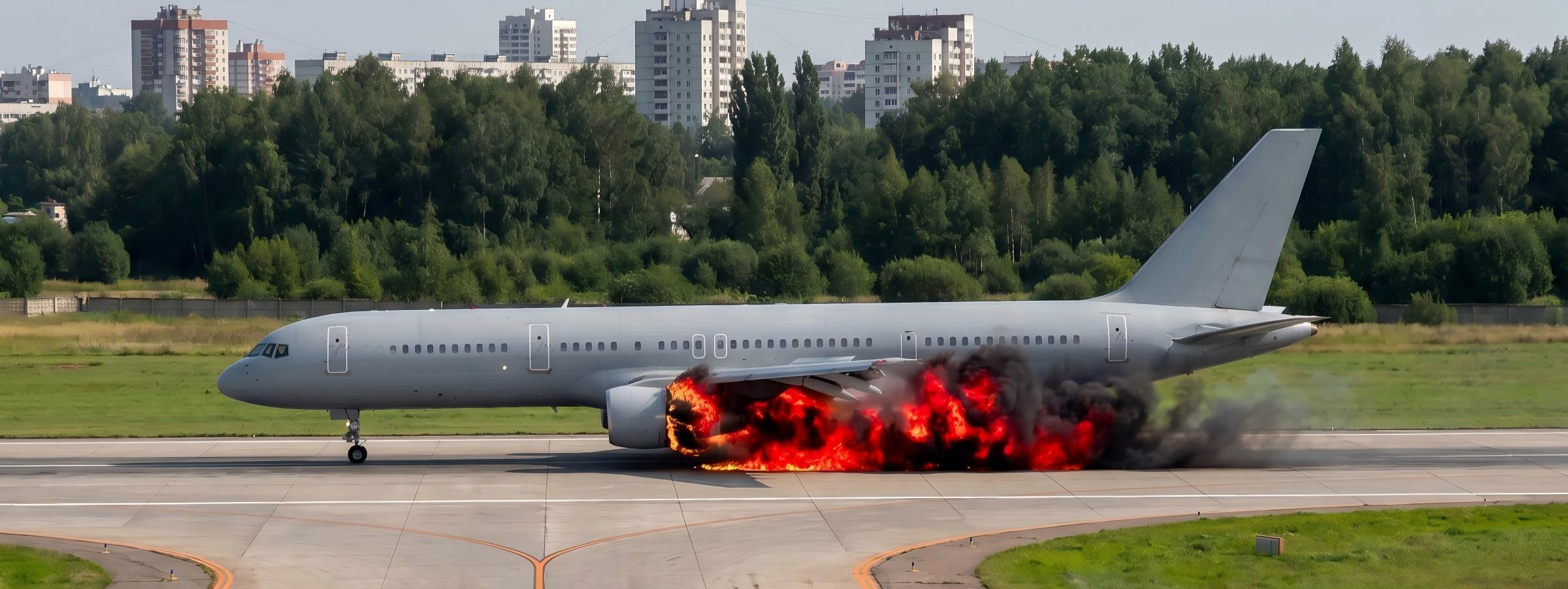
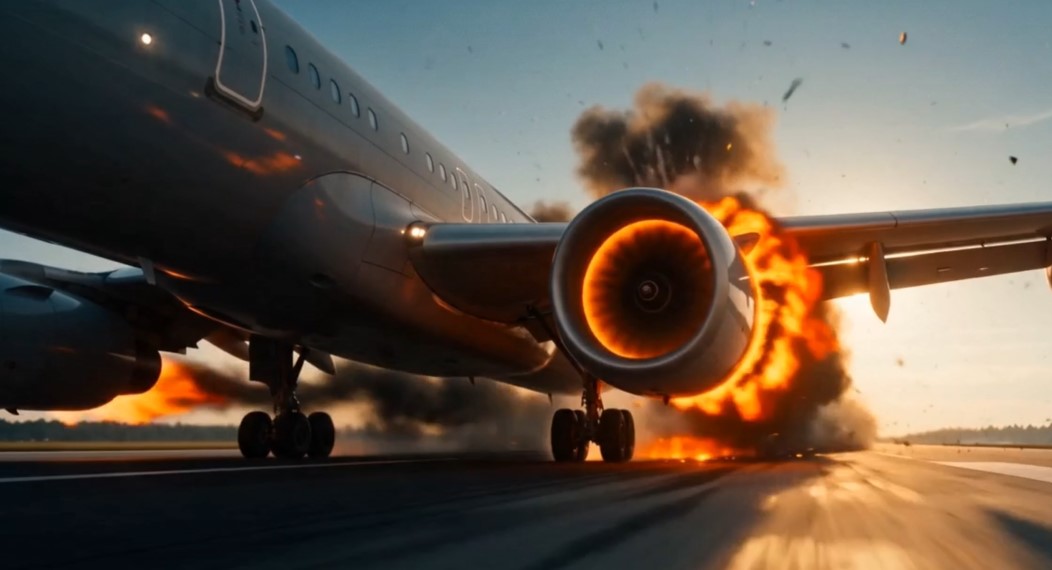
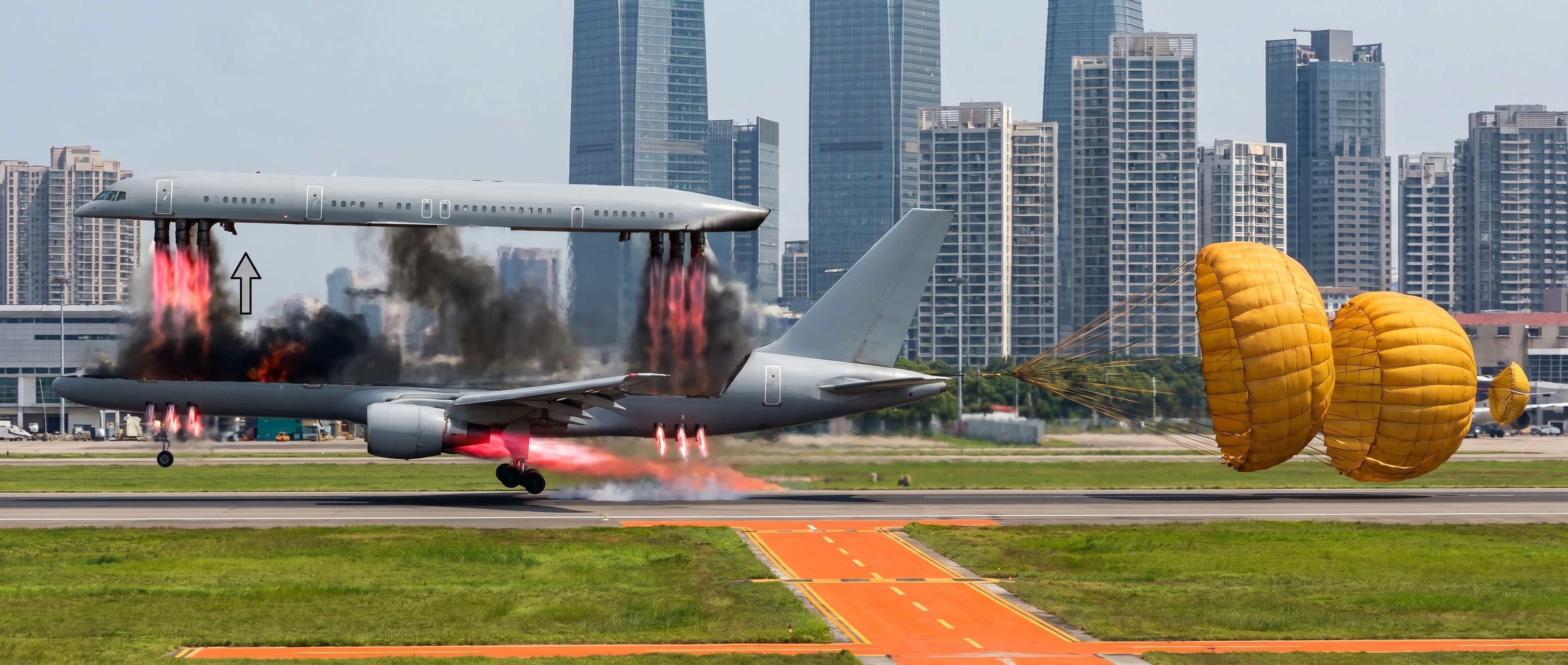
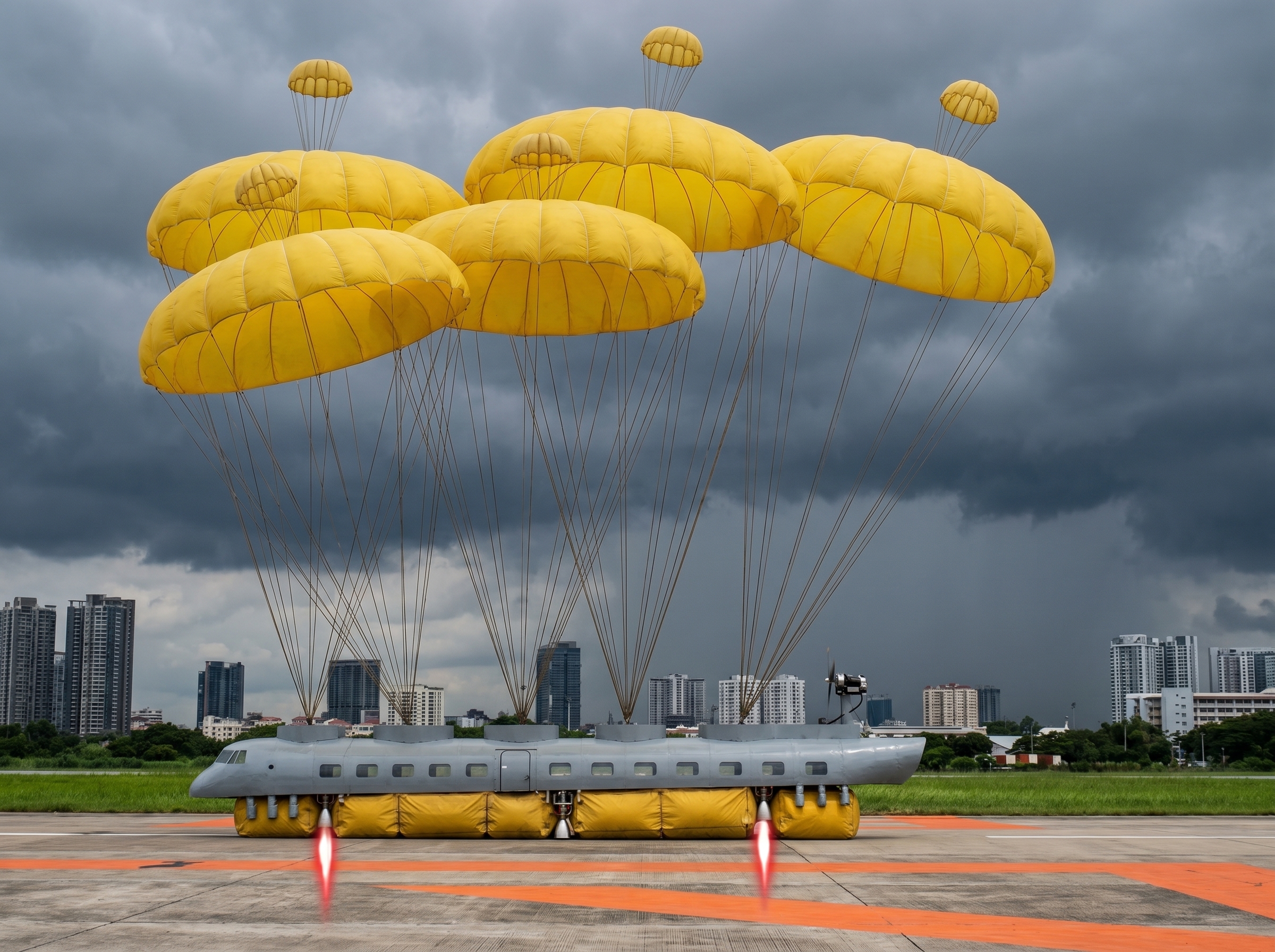
Our Cabin Recovery System in action
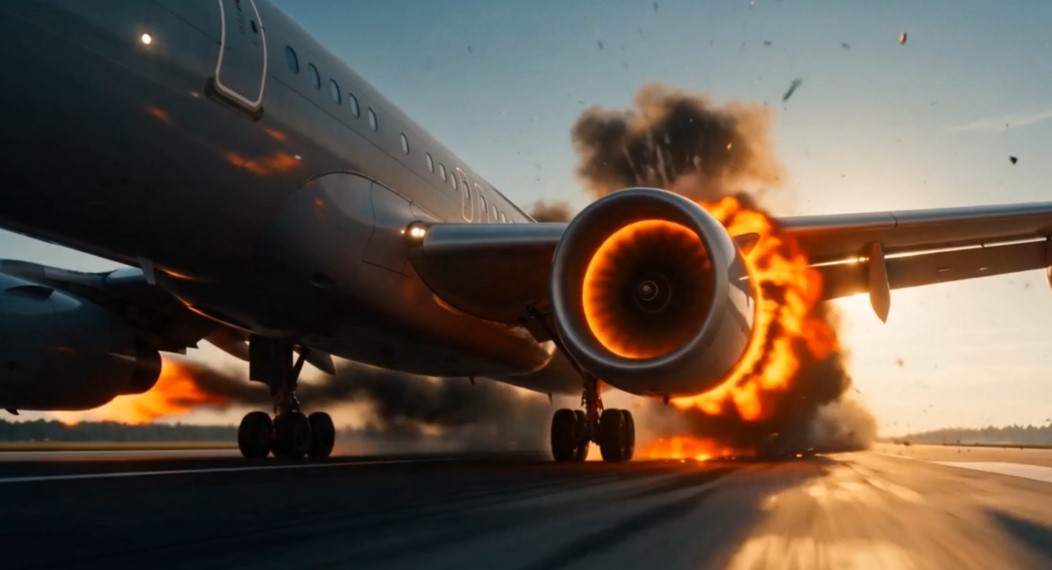
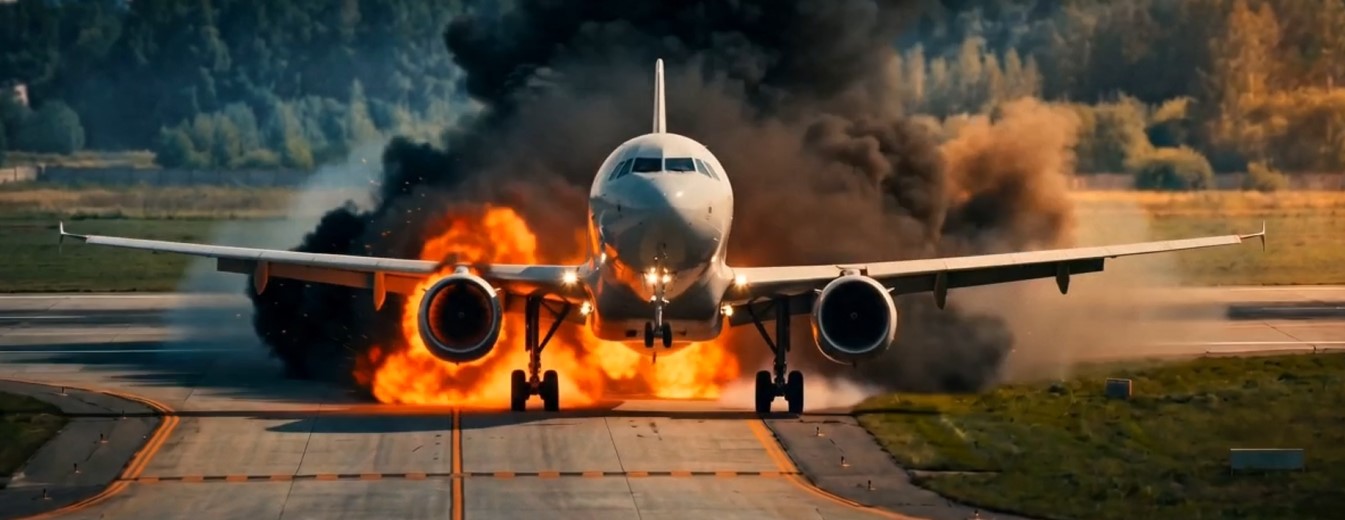
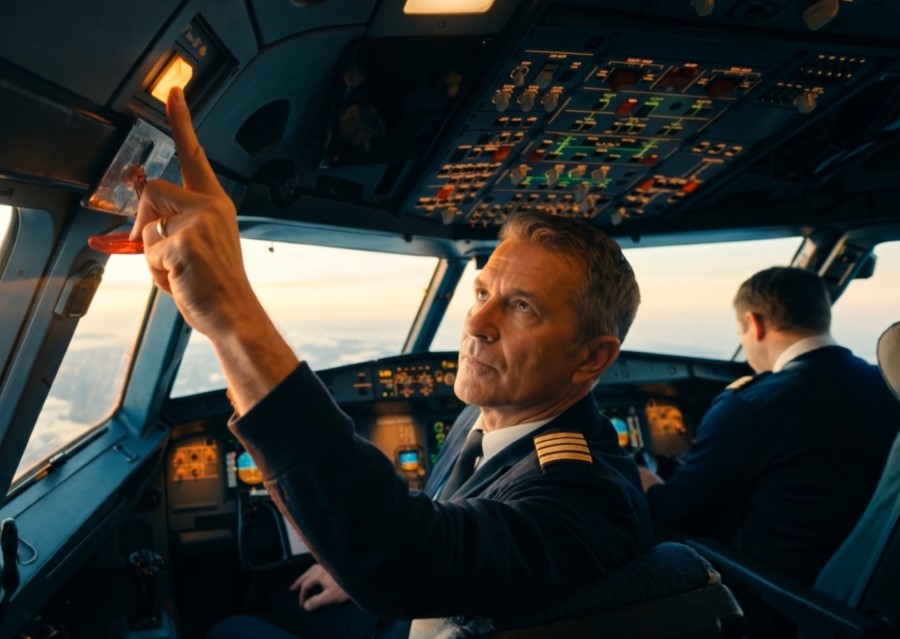
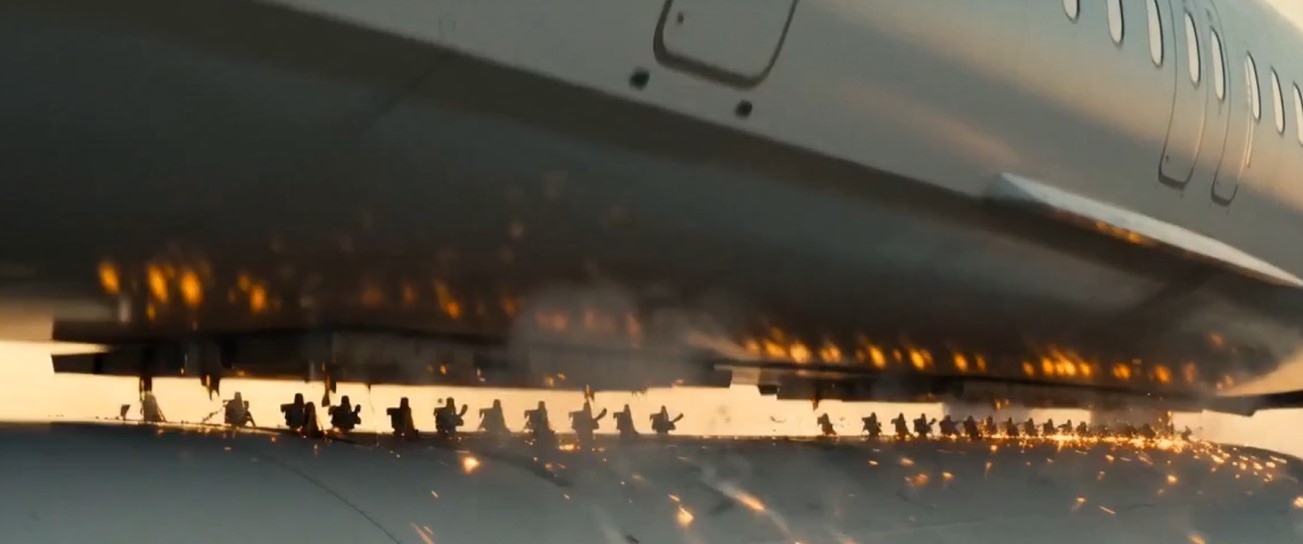
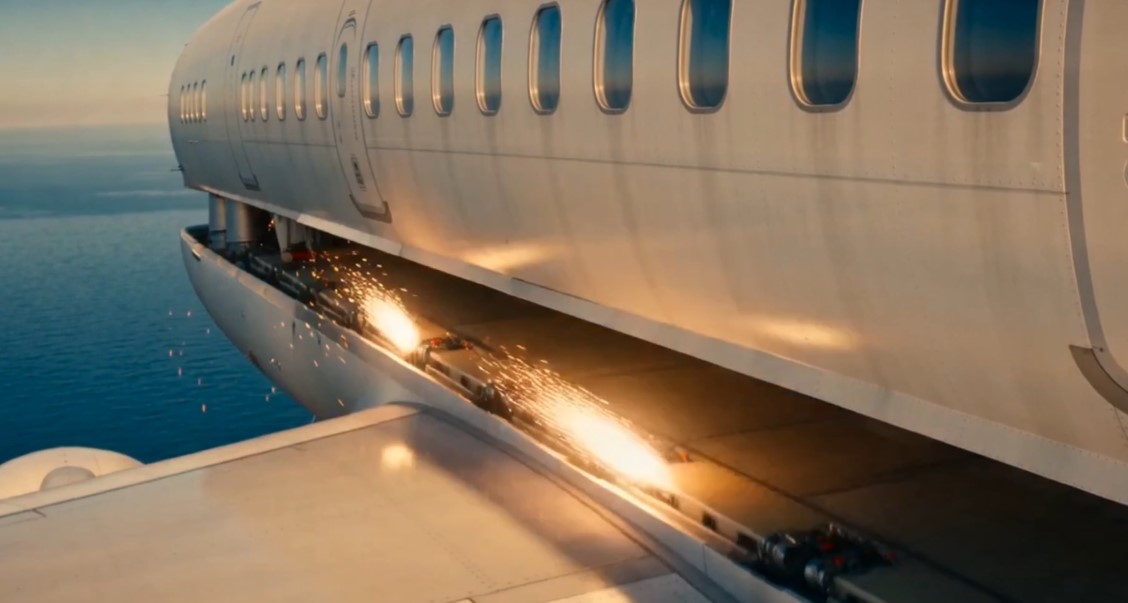
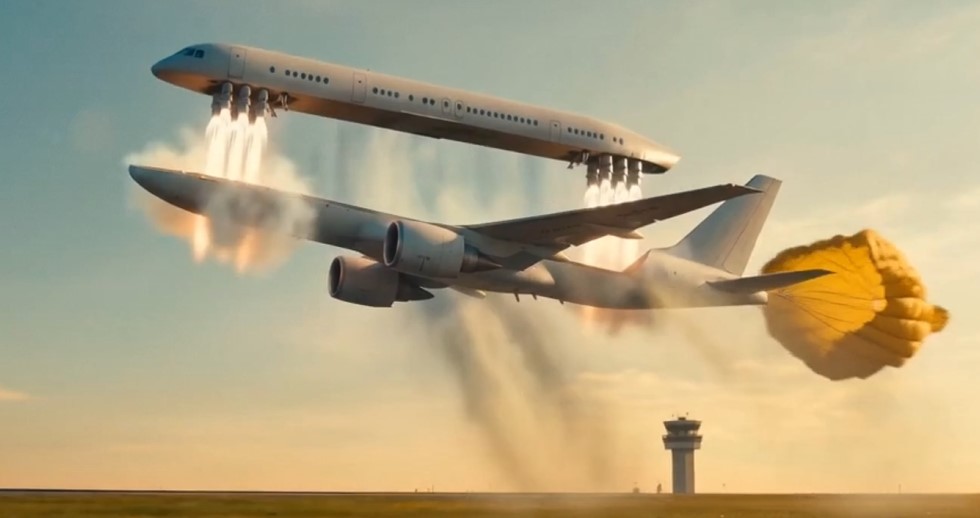
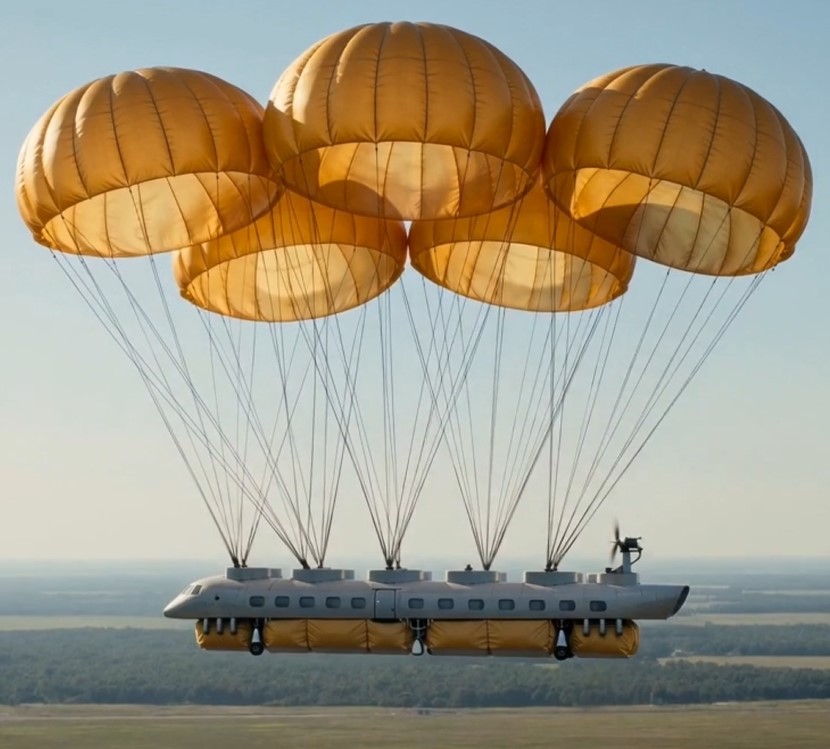
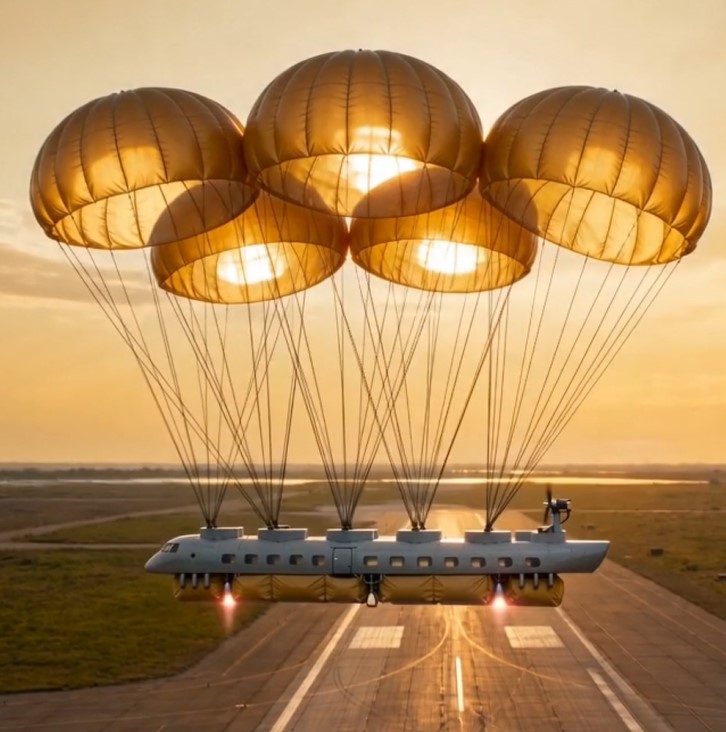
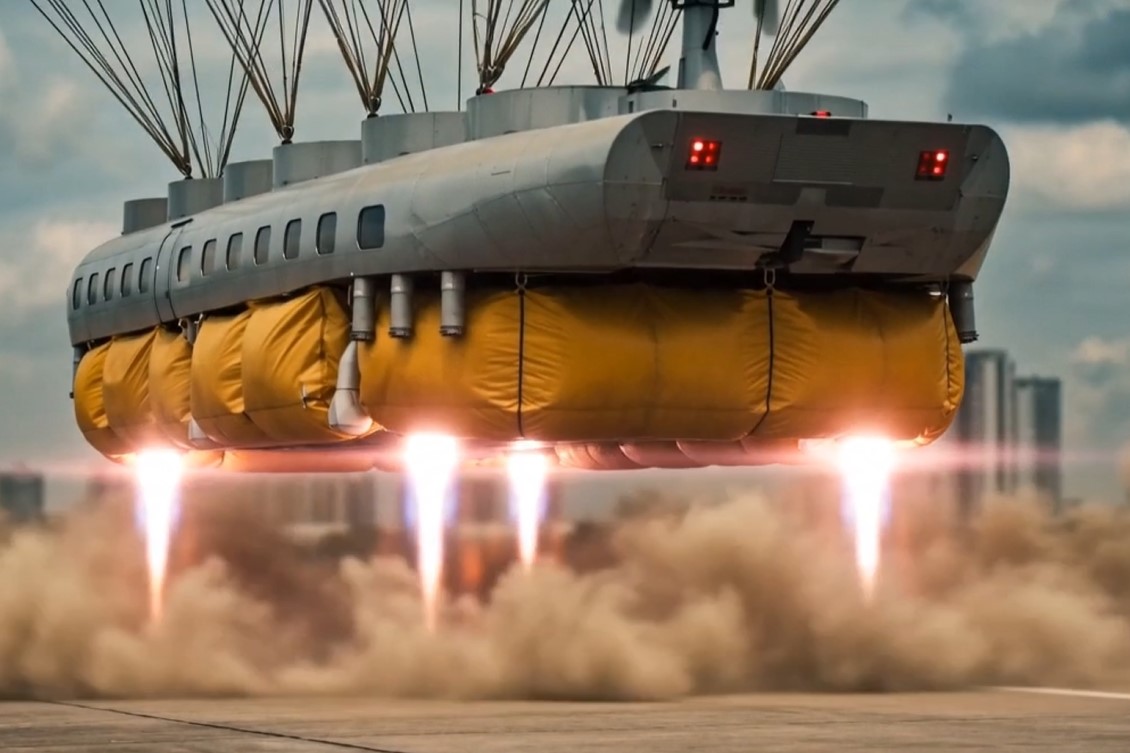
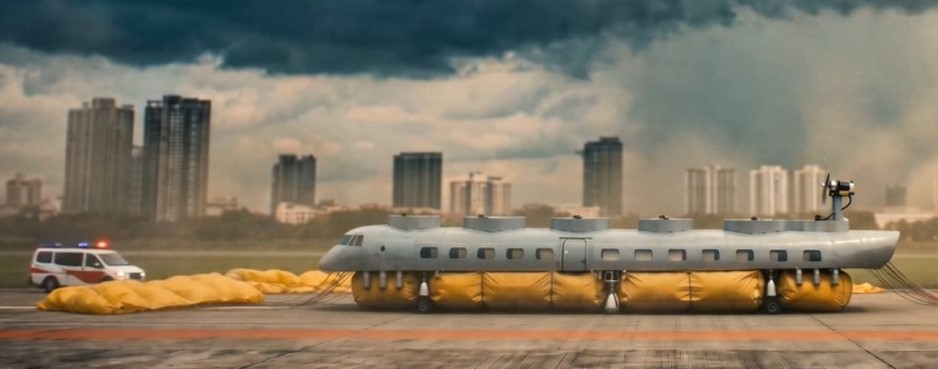
In-Flight Emergency over open seas?
The Passenger Aircraft Cabin Recovery System functions at all stages of flight. Whether it be at take-off, mid-flight, over water or over land the system assures that everyone gets home safely.
Passenger Aircraft Cabin Recovery Group

Our emergency recovery systems are designed to facilitate immediate response measures during cabin incidents, ensuring the well-being of every passenger.

We provide real-time monitoring solutions that analyze cabin environments to predict and mitigate risks associated with emergencies.

Our training programs equip aviation staff with the skills necessary to implement safety protocols effectively, prioritizing passenger security in crisis situations.

About the Aircraft Cabin Recovery System Inventor
Roy H.
Taylor
Roy H. Taylor began his aviation career in July 1951 when he
joined the United States Air Force to train pilots and gunners during the
Korean War era. He served as an instructor on aircraft fire‑control systems for
the B‑29 bomber and jet fighter models, including the F‑86D and the F‑89D and F‑89H,
gaining hands‑on experience with solid‑propellant rocket and missile systems.
After his Air Force service, Roy joined Northrop Aircraft as
a crew chief, where he aligned and tested F‑89D and F‑89H fire‑control systems
and worked directly with Northrop test pilots. Roy later moved to the Lockheed
Missile and Space Corporation in Sunnyvale, California, contributing to the
development of a one‑fifth scale model of the Polaris missile which later
evolved into a submarine missile program. His responsibilities included work on
beacon and azimuth equipment and antenna VSWR calibration.
When Lockheed began the Agena program at Cape Kennedy, Roy relocated to the Cocoa Beach area to join the launch start‑up team. He served as Lead Electrical Engineer on the Agena launch team, supporting operations across launch complexes 12, 13, and 14 and helping prepare those complexes for a range of classified space missions, including the John Glenn flight.
After leaving the space program, Roy designed energy‑conservation retrofits for municipal buildings in Union City, California while continuing to develop inventions. His patents include a series of utility patents for a propellant‑driven golf club and, most recently, a utility provisional patent filed with the U.S. Patent and Trademark Office for the Passenger Aircraft Cabin Recovery System (PACRS). Roy advances the PACRS concept through RHT LLC, applying decades of aerospace engineering and launch‑system experience to this life saving safety innovation.